
Permanent Daylight Saving Time vs. Permanent Standard Time: The Sleep Science Verdict
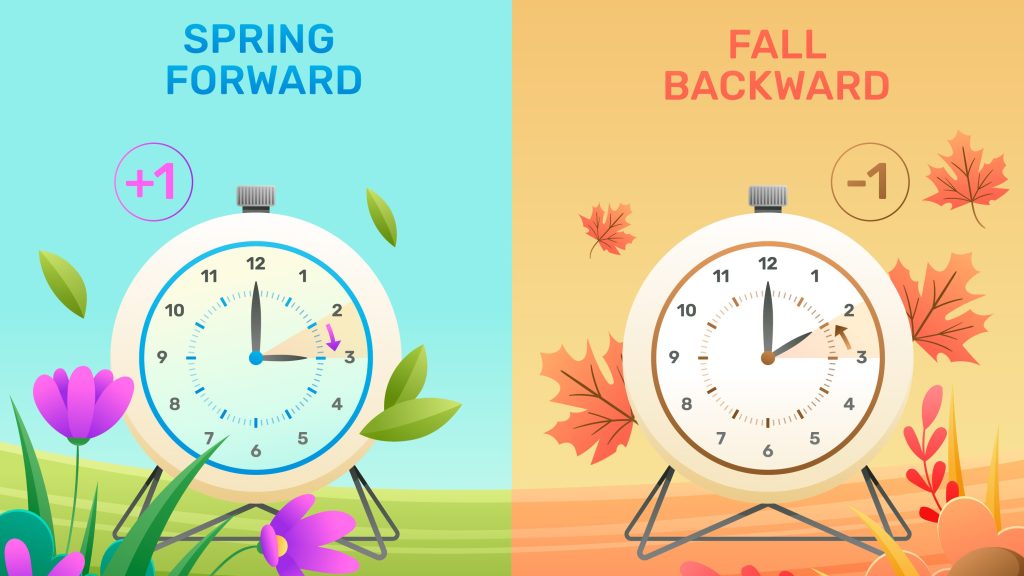
Twice a year, Americans engage in a ritual as old as it is disliked: adjusting their clocks by one hour for daylight saving time (DST). And each spring, when we “lose” that hour, many of us feel it in our bodies, disrupted sleep, sluggish mornings, and days of grogginess as our internal clocks scramble to catch up. Recently, this decades-old debate has taken a new turn.
On July 14, 2026, the U.S. House of Representatives passed the Sunshine Protection Act, sending it to the Senate for consideration. If passed and signed into law, this bill would make daylight saving time permanent, ending the biannual clock switch for good.
At first glance, this sounds like great news. No more losing sleep every March. No more disorienting time changes. But here’s where things get interesting: while lawmakers and the public are largely enthusiastic about ending clock changes, most sleep scientists and researchers are raising a red flag. Their concern? The proposal makes daylight saving time permanent, when the science suggests permanent standard time would be far better for our health.
Let’s explore what’s actually at stake, and why understanding the difference matters more than you might think.
The Debate: What’s Actually Happening?
The Sunshine Protection Act, backed by President Trump and championed by lawmakers like Rep. Vern Buchanan (R-Fla.), would lock the country into the “spring forward” schedule year-round. This means later sunsets in the evening, but also significantly darker mornings during winter months. In some parts of the country, the sun wouldn’t rise until 8:30 AM or even later.
The bill previously passed the Senate unanimously in 2022 but stalled in the House. Now, the roles have reversed. As it heads back to the Senate, several senators, including Sen. Tom Cotton (R-Ark.), have voiced concerns about the health and safety implications, particularly for early morning commuters and workers who would face pitch-black mornings for months at a time.
Understanding the Two Choices
Before diving into the debate, it helps to understand what we’re actually choosing between.
Standard Time
It aligns most closely with our natural solar day. When the sun is directly overhead, it’s roughly noon. Standard time gives us more morning light and earlier sunsets.
Daylight Saving Time
It shifts the clock one hour forward, effectively borrowing an hour of morning light and pushing it to the evening. Sunrises come later, but so do sunsets.
Currently, the U.S. uses standard time from November to March (about four months) and daylight saving time from March to November (about eight months). Under the Sunshine Protection Act, DST would become permanent.
Permanent Standard Time vs. Permanent Daylight Saving Time
| Feature / Impact | Permanent Standard Time (Recommended by Sleep Scientists) | Permanent Daylight Saving Time (Sunshine Protection Act) |
|---|---|---|
| Solar Alignment | High: Closely matches our natural circadian clock and solar noon. | Low: Shifts human schedules 1 hour ahead of natural solar time. |
| Morning Light Exposure | Optimal: Morning sun arrives earlier, anchoring biological clocks and boosting alertness. | Delayed: Morning light comes late; winter sunrises occur after 8:30–9:00 AM in many areas. |
| Evening Light Exposure | Earlier Sunsets: Promotes natural evening melatonin release for easier bedtime transitions. | Later Sunsets: Extended light in the evening can delay sleep onset and disrupt sleep depth. |
| Safety Considerations | Safer Commutes: Children walk to school and adults commute in morning daylight during winter. | Darker Commutes: Higher safety risks for early morning pedestrians and school children. |
| Primary Benefits | Better sleep quality, synchronized circadian rhythm, reduced risk of chronic health issues. | Longer evening light for outdoor activities, potential short-term retail/hospitality economic boost. |
| Expert Scientific Backing | Supported by AASM, National Sleep Foundation, and circadian rhythm researchers. | Opposed by sleep and health experts due to risks of chronic “social jet lag.” |
The Case for Permanent Daylight Saving Time
Supporters of permanent DST make several compelling arguments:
Longer evening daylight: More sunlight after work means more opportunity for outdoor activities, family time, and recreation. This is particularly appealing during winter months when many people currently commute home in darkness.
Economic benefits: Studies suggest that longer evening daylight boosts retail sales, restaurant business, and outdoor recreation industries. When people leave work and see sunlight, they’re more likely to shop, dine out, and engage in leisure activities.
Reduced traffic accidents: Some research indicates that evening rush hour accidents decrease with more evening light, particularly for pedestrians.
Energy savings: Historically, one of the original arguments for DST, though modern research has largely debunked significant energy savings.
End of the disruptive switch: Perhaps the strongest argument is simply ending the twice-yearly clock change, which research links to increased heart attacks, strokes, workplace accidents, and traffic incidents in the days following the change.
Improved mood in winter: Longer evening daylight during winter months may help combat seasonal affective disorder for some people who currently return home in complete darkness.
The Case Against Permanent DST
However, the case against permanent DST is equally compelling, especially from a health perspective.
Dark morning commutes: Under permanent DST, sunrise in cities like Detroit or Indianapolis wouldn’t occur until around 9 AM during winter. This means children walking to school and adults commuting to work would do so in complete darkness for months at a time, raising serious safety concerns.
Circadian disruption: Our bodies evolved to align with the sun. Waking up in darkness and being exposed to bright morning light is what synchronizes our internal clocks. Permanent DST would create a chronic mismatch between our social schedules and our biological clocks.
Increased health risks: Research links chronic circadian misalignment to increased risks of cardiovascular disease, metabolic disorders, depression, obesity, and even certain cancers.
Sleep quality decline: Later sunrises mean many people would be waking up before the sun, particularly during winter, resulting in reduced sleep quality and daytime alertness.
We tried this before: In 1974, the U.S. actually implemented permanent DST during an energy crisis. It was so unpopular, largely due to dark mornings and reported deaths of children walking to school in the dark, that it was repealed within months.
Read More: How Modified CBT-I Helps Overcome ADHD-Induced Insomnia?
Why Do Sleep Scientists Prefer Permanent Standard Time?
Here’s where the science becomes clear. The American Academy of Sleep Medicine, the National Sleep Foundation, and numerous circadian rhythm researchers have publicly stated their preference for permanent standard time, not permanent DST.
Their reasoning centers on one fundamental truth: morning light is the most powerful signal for regulating human health.
Standard time better aligns with our natural circadian rhythms. When morning light enters our eyes shortly after we wake up, it triggers a cascade of biological processes: cortisol rises to boost alertness, melatonin production is properly timed for evening sleep, and our internal clock stays synchronized with the environment.
Permanent DST would essentially create year-round “social jet lag.” Imagine constantly living in a time zone that doesn’t match the sun. Your body would perpetually try to align with solar time, while your alarm clock demands you rise before dawn. Over years and decades, this mismatch adds up.
Sleep researchers point to studies from countries and regions that have experimented with permanent DST equivalents. In every case, adverse health outcomes increased, including higher rates of depression, weight gain, cardiovascular events, and poor sleep quality.
The scientific consensus is remarkably strong: if we’re going to end clock changes (a good idea), we should adopt permanent standard time, not permanent DST.
The Power of Morning Light
Understanding why morning light matters so much helps explain the scientists’ concern. Morning sunlight, particularly during the first hour after waking, plays a critical role in regulating multiple biological systems.
Circadian rhythm regulation
Special cells in your retina detect morning light and send signals to your brain’s master clock (the suprachiasmatic nucleus). This “anchors” your internal clock to the 24-hour day, ensuring you feel alert during the day and sleepy at night.
Cortisol and Alertness
Morning light triggers a healthy cortisol spike that wakes you up naturally, boosts your mood, and gives you energy for the day ahead. Without morning light exposure, this cortisol response becomes blunted, contributing to morning grogginess and fatigue.
Mood Regulation
Morning light exposure is one of the most effective treatments for seasonal affective disorder and general depression. It boosts serotonin production, which contributes to feelings of well-being.
Melatonin Timing
Morning light suppresses melatonin appropriately, ensuring you feel alert during the day. This proper suppression then allows melatonin to rise appropriately in the evening for good sleep.
Vitamin D Production
While not exclusive to mornings, consistent morning light exposure contributes to healthy vitamin D levels, which affect everything from bone health to immune function.
Sleep Onset
Perhaps most importantly for those struggling with sleep, morning light exposure improves nighttime sleep. Studies consistently show that people who get bright morning light fall asleep faster and sleep more deeply at night.
Without adequate morning light, we experience what researchers call “circadian desynchronization“; a mismatch between our internal clocks and the external world. This state is associated with increased sleep disruption, mood disorders, and long-term health consequences.
What This Means for Your Sleep?
Regardless of what the Senate decides, understanding the importance of morning light gives you actionable information for improving your sleep now. If permanent DST becomes law, protecting your circadian health becomes even more important.
Prioritize morning light: Whether or not the law changes, expose yourself to bright light (ideally sunlight) within the first hour of waking. This is especially important during darker winter months. Consider a light therapy box if natural morning light is unavailable.
Maintain consistent sleep and wake times: Regardless of what the clock says, your body benefits from consistency. Going to bed and waking up at similar times daily supports circadian alignment.
Get outside during your lunch break: Even a 10-15 minute walk in daylight provides significant circadian benefits and can partially compensate for missed morning light.
Dim lights in the evening: Reduce artificial light exposure 2-3 hours before bedtime. Bright evening light delays melatonin production and disrupts sleep.
Advocate for evidence-based policy: If you feel strongly about this issue, contact your senators to share your perspective on what the science actually says.
The Bottom Line
Ending the biannual clock switch is a worthy goal, but how we end it matters enormously. The Sunshine Protection Act, as currently written, would give us permanent daylight saving time, exactly the opposite of what most sleep scientists recommend. While longer evening daylight sounds appealing, the health costs of chronic circadian misalignment are substantial and well-documented.
The scientific verdict is clear: permanent standard time better serves human health, better aligns with our biology, and better protects sleep quality across the lifespan. Whatever happens legislatively, understanding the science empowers you to make informed choices about your own sleep health.
Your body evolved with the sun as its primary timekeeper. Working with your biology, rather than against it, remains the foundation of good sleep, no matter what time your alarm clock displays.
Ready to transform your relationship with sleep? Learn more about our “Gently to Sleep” program and take the first step toward restful nights and energized days. Contact us to schedule a consultation.