
Winter Darkness and Your Sleep: Harnessing Seasonal Changes for Better Rest
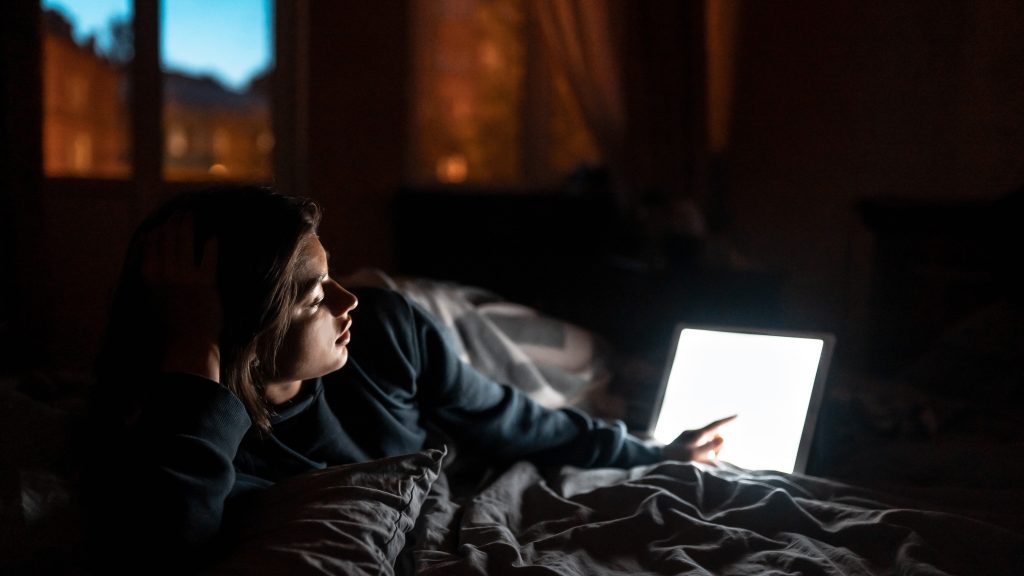
Winter shortens days, darkens mornings, and lengthens evenings. You may find yourself wanting to stay in bed longer, feeling less alert during the day, and struggling to fall asleep at night. Your normal sleep pattern may not have changed at all, but you may feel a bit out of kilter with the day/night cycle.
These changes can be quite frustrating, particularly if you’re trying to stick to a consistent sleep schedule. You might be asking whether you should go to bed earlier, sleep in longer, or stubbornly stick to the same routine you had in the summer. The good news is that seasonal changes can reasonably affect your sleep. Instead of being at the mercy of darker months or forcing yourself into an idealized sleep pattern, you can learn how light exposure, daily habits, and your relationship with sleep actually affect it.
With a bit of thought, you can actually turn winter into an opportunity to create better supportive conditions for sleep without having to get bedtime quite right for another task.
How Does Winter Darkness Affect Your Sleep?
Several interacting processes regulate your sleep, including your circadian rhythm and your body’s need for sleep. Knowing these systems can help explain why winter sometimes changes how you feel throughout the day.
Your Body Clock Responds To Light
Your circadian rhythm is your internal clock that governs your sleep/wake cycle, body temperature, and hormone release over 24 hours. Light helps keep your clock in sync with the day by telling your brain when to be awake and when to prepare for sleep. Morning sunshine signals the start of the day, and evening darkness enables melatonin production and helps your body prepare for the night.
In winter, we get less morning light and sunsets come earlier, which can shift these signals and affect when you feel sleepy and when you feel awake. The extent of the effect will, of course, vary from person to person depending on your routine, light exposure, and individual responsiveness to seasonal change.
Sleep Pressure Builds Throughout The Day
Your circadian rhythm works in conjunction with another process known as sleep pressure. The longer you’re awake, the greater your biological drive for sleep will generally be. Sleep gradually reduces this pressure. Changes in your winter routine can affect this. If you sleep much later on weekends or take long afternoon naps, you may be reducing your sleep pressure by bedtime. You may then feel tired earlier in the evening but struggle to fall asleep when you get into bed.
This is one reason feeling exhausted doesn’t necessarily mean you’re ready to go straight to sleep. It’s about supporting both your body clock and your sleep pressure to find a pattern that works with the season.
How Winter Changes Can Affect Your Sleep
| Seasonal Change | Possible Effect | What may Help |
|---|---|---|
| Less morning daylight | Harder to wake up or feel alert | Seek daylight after waking |
| Earlier sunsets | Changes in sleepiness and body-clock timing | Keep a consistent daily rhythm |
| Longer evenings indoors | More exposure to artificial light and screens | Dim lights before bedtime |
| Reduced physical activity | Changes in sleep pressure and sleep quality | Include manageable daytime movement |
| Winter-related mood changes | Lower motivation or changes in sleep patterns | Maintain meaningful activities and social connections |
Why Winter Can Make Sleep Feel More Difficult?
No single explanation accounts for winter sleep changes. Different factors can overlap, and identifying which ones affect you can make it easier to choose a useful response.
Less Daylight And Slower Mornings
Dark mornings can make getting out of bed a real struggle. If you leave home before the sun comes up and spend most of the day indoors, you’ll get very little bright light during the hours when that light would help reinforce the signals to your body clock that it’s time for the day.
You may also find that your energy takes longer to build up in the morning. That doesn’t necessarily mean you need more sleep; the timing and quality of your light exposure could be the issue.
Changes In Activity And Daily Routines
Cold weather, shorter days, and fewer opportunities to get out and about can all affect how much you move during the day. You’ll probably spend more time indoors, be less active, and shift your meals and socializing later.
These changes can indirectly affect your sleep. Exercise generally supports sleep, and a regular daily rhythm gives your circadian system useful cues. You don’t need to do any strenuous exercise to benefit. Even a small amount of movement you can manage in your circumstances will help keep your day more stable.
Evening Light And Extended Screen Time
Winter evenings can start before your working day is even over. You may well spend several hours under artificial light or staring at screens after you’ve finished work and your other duties. Bright light late in the evening can delay circadian timing (particularly if it’s strong and/or close to your normal bedtime). Screen use can also keep you mentally active (if you’re responding to messages, working, etc., or just scrolling through something quite stimulating).
The aim is not to get rid of all evening light. The question is whether your environment and your activities are actually helping you to move towards rest or whether they’re keeping you in that alert, active state.
Pressure To Compensate For Poor Sleep
When winter mornings are a bit of a struggle, it’s tempting to stay in bed longer, go to bed earlier, or keep checking whether you’re actually sleepy enough. It’s perfectly reasonable to tweak your schedule occasionally. The problem arises when you consistently extend your time in bed to make up for the difficulty of sleeping. For some people, this can weaken the link between bed and sleep, and you may end up spending more time awake, frustrated and fixated on whether you’re sleeping at all.
Cognitive behavioral therapy for insomnia (CBT-I) helps people re-establish a more reliable association between bed, sleep, and wake.
Acceptance and Commitment Therapy (ACT) offers another useful lens: you can notice the tiredness, frustration, uncertainty, and so on, and that’s perfectly fine. You don’t need to get rid of those feelings before you can rest.
Five Ways to Support Better Sleep During Winter
You don’t need to overhaul your life when the season changes. Just make one or two tweaks that suit your situation and then see what effect they have on your sleep over time.
1. Give Your Mornings A Clear Light Signal
Sunlight helps to regulate your circadian rhythm. Simply spending time outside after waking (on a sunny day or even on a cloudy day) provides a much stronger daytime light signal than normal indoor lighting.
Try a short morning walk or spend some time outdoors during your commute. If you wake up before sunrise, use indoor lighting as you get ready, then get daylight as soon as you can. Maintaining a reasonably consistent wake time will also help to reinforce your body’s daily rhythm. If you’re thinking of a light therapy box, then discuss this with your doctor as to whether it’s appropriate for you (particularly if you have an eye condition, are on a light-sensitive medication, or have a history of bipolar disorder).
A gentle starting point
Find one simple way to incorporate morning daylight into your existing routine.
2. Create A Softer Transition Into The Evening
As daylight fades, make your environment more conducive to winding down. Dim the indoor lights, use warmer lighting, and reduce screen brightness over the hour or so before bed.
Your activities do matter too. A bit of challenge and a bit of stimulation can keep your mind in gear, even in the dark. Instead of following a set of prescribed steps, why not just read, listen to something soothing, or get ready for the next day? You don’t need a complex nighttime routine. It’s about creating a comfortable transition into sleep, not ticking off a to-do list.
While evening habits can support rest, they may not be enough to address persistent insomnia. Learn more about how CBT-I differs from traditional sleep hygiene and why the distinction matters.

3. Keep Your Daily Rhythm Steady Without Becoming Rigid
Your body is largely shaped by predictable daily cues. A regular wake time, regular meals, and daytime activity will help reinforce your circadian rhythm.
Try waking at the same time on most days and going through your normal morning routine even if it’s still dark outside. Incorporate movement into your day (a walk, some stretching, etc.), as it can help with sleep. If you nap, watch how it affects your nighttime sleep. A long or late nap reduces your sleep pressure and makes it harder to fall asleep at night. Consistency doesn’t mean you have to be totally rigid. If you’re still feeling persistently sleepy despite getting enough time in bed, your sleep quality, sleep schedule, or overall health may need a closer look.
If you spend a lot of time awake in bed, understanding sleep efficiency and what influences it may help you spot patterns worth discussing with a sleep professional.
4. Stop Treating Bedtime As A Test You Must Pass
Winter can make sleep feel like something you have to work for. You’ll calculate the hours until your alarm and worry about how bad your sleep will be tomorrow. The key is to be mindful of your sleep, because it can’t increase alertness, and it can make going to bed feel like a real effort.
CBT-I helps break this cycle through tackling unhelpful sleep habits and reducing time spent awake in bed. ACT supports this by helping you respond differently to sleep-related worries. Instead of fighting thoughts like “I cannot function tomorrow if I do not sleep,” acknowledge the worry without treating it as a fact.
If you’re getting more and more frustrated while awake, try doing something quiet in dim lighting, then go back to bed when you feel sleepy. This CBT-I strategy helps re-establish the link between bed and sleep, rather than bed and frustration.
5. Make Room For Your Winter Mood, Not Just Your Sleep Schedule
Shorter days can affect mood, motivation, energy levels, and sleep. Some people will experience full-blown seasonal depression; others will just be a little less well.
If winter feels emotionally heavier, make time for enjoyable things, connecting, or meaningful activities (see a friend, do a hobby, go for a walk, etc.). These sorts of things can help with wellbeing but are not a replacement for professional treatment if you have depression.
ACT encourages you to take small steps toward what matters to you, even when motivation is low. You don’t have to be fully rested and energized to get on with what matters.
You can find more about this approach in our guide to the six core ACT principles for better sleep.
If you’re experiencing low mood, loss of interest, or fatigue that persists and/or significantly impacts your day-to-day life, it’s worth discussing this with a healthcare professional. Seasonal depression is treatable, and you absolutely deserve some support rather than having to go through it all on your own.
Let Winter Be a Season of Adjustment, Not a Sleep Deadline
Shorter days can affect your mood, make you sleepy, and change how easily you wake up. This all comes down to light exposure, circadian timing, your daily routine, and how you respond to a bad night.
You don’t need to control every variable to sleep better. Start with daylight, a manageable daily rhythm, a less harsh evening environment, and a less pressured relationship with going to bed. Give the changes time to become part of your routine, and remember that progress may come in gradual shifts rather than overnight results. Most crucially, one bad night doesn’t mean you’ve failed. You can’t command sleep. It results from biological processes, environmental cues, and psychological states.
When you stop treating every night like a performance and start creating the conditions that actually support sleep, you give yourself space to be a little more flexible and patient.
At Quadra Wellness and Counseling, our Gently to Sleep program helps people get to the root of their sleep problems and build a more manageable relationship with sleep. You don’t have to have it all figured out at once.
Ready to transform your relationship with sleep? Learn more about our “Gently to Sleep” program and take the first step toward restful nights and energized days. Contact us to schedule a consultation.