
How Alcohol Actually Affects Your Sleep (It’s Not What You Think)

If you have ever had a drink in the evening and thought, “At least I’ll sleep better tonight,” you are not alone.
Alcohol has the effect of making you feel relaxed, drowsy, and less preoccupied with your thoughts, and you might find that you do doze off more quickly when you’ve had a drink. It therefore seems reasonable to think that having a drink before going to bed could help your sleep.
The confusing part is what happens after you fall asleep. Although alcohol can make it easier to drift off initially, it can interfere with the quality and structure of sleep later in the night. You may wake up earlier than usual, have lighter or more fragmented sleep, feel unusually warm or restless, or wake up feeling as though you slept for hours but didn’t get the rest you needed. This can become especially frustrating when alcohol starts to feel like part of your sleep routine.
The fact that your sleep is disturbed after having a drink doesn’t mean that there’s any lasting problem. Sleep can adapt to changes in your habits, daily routine, and expectations. Making a few small adjustments can help improve your sleep without turning bedtime into something you have to get “right” again.
Why Does Alcohol Have A Sleepy Effect On You In The First Place?
Alcohol acts as a depressant on the central nervous system and therefore reduces brain activity, which is why it can temporarily produce a calmer and more drowsy effect. This effect is in part due to the fact that it strengthens GABA, a neurotransmitter that plays a role in lowering brain activity, causing alcohol to seem like an easy way to get to sleep. Yet quick falling asleep is only one aspect of achieving good sleep; sleep goes through various stages, such as light, deep, and REM sleep, and alcohol can interfere with this sequence, which might be the reason why you do fall asleep quickly but sleep less restfully.
Alcohol and Sleep: What Happens Throughout the Night?
The connection between alcohol and sleep is more complicated than just stating that alcohol is “bad for sleep” since the effects can differ according to how much you drink, when you drink, your level of sensitivity, your normal sleep pattern, and other factors. However, a typical pattern is that alcohol produces a stronger sedative effect at the beginning of the night and then causes more disturbance as the body metabolizes it.
The First Part Of The Night
You might feel relaxed and drowsy after drinking, which can reduce the time it takes you to fall asleep. For a person who is already concerned about staying awake in bed, alcohol can therefore appear very helpful. However, sedation does not mean that restorative sleep has occurred. A substance is having an effect on your brain instead of allowing it to follow its normal sleep-wake cycles.
The Second Half Of The Night
The sedative effects of alcohol will lessen as your body processes it. In certain individuals this may be followed by a higher state of arousal during the later hours of the night. Your sleep might then become lighter and more broken, which makes short wakings more obvious. You will not recall each and every awakening. In fact, a great many of these disturbances take place without you becoming fully conscious.
This is one reason you might wake in the morning thinking:
“I slept all night and yet I still feel extremely tired.“
REM Sleep Can Also Be Affected
Alcohol has the ability to affect REM sleep, the stage which is linked to dreaming, emotional processing, learning, and memory. The specific effects of alcohol depend on things like the amount consumed and the time it is taken, but it can disturb the normal balance between the various stages of sleep. Therefore, even if you stay in bed for a long time, your sleep quality and structure might still be different.
Why You Might Wake Up Feeling Tired
There are a number of reasons why alcohol can make you feel less refreshed the following day.
More Fragmented Sleep: Alcohol causes sleep to become more disturbed, especially towards the later hours of the night; even short awakenings can make your sleep seem less continuous. People who are already sensitive to changes in their sleep might notice these changes even more.
Changes In Body Temperature: Alcohol has an impact on the dilation of blood vessels and on the body’s ability to regulate temperature; if you feel abnormally warm, sweaty, or uncomfortable at night this can make it more difficult for you to sleep comfortably.
Increased Urination: Alcohol has a diuretic effect, which means that it can cause more urine to be produced. If you drink a large quantity near bedtime, you may have to get up to use the toilet and this can in turn disturb your sleep.
Snoring And Breathing Problems: Alcohol has the effect of relaxing the muscles in the upper airway and can therefore make snoring or certain sleep disorders relating to breathing worse. When you regularly wake up with a dry mouth, a headache, gasping, a feeling of choking, or excessive daytime drowsiness, it is advisable to talk to a healthcare professional about these symptoms rather than simply attributing them to alcohol.
Dehydration And Next-Day Effects: Alcohol can cause dehydration and may make you feel sluggish or unwell the day after drinking, which in turn leads to a further issue since, when you’re tired, you’re more likely to take a nap, stay in bed, cut down on your activities, or turn to caffeine. The changes may therefore affect your sleep the following night.
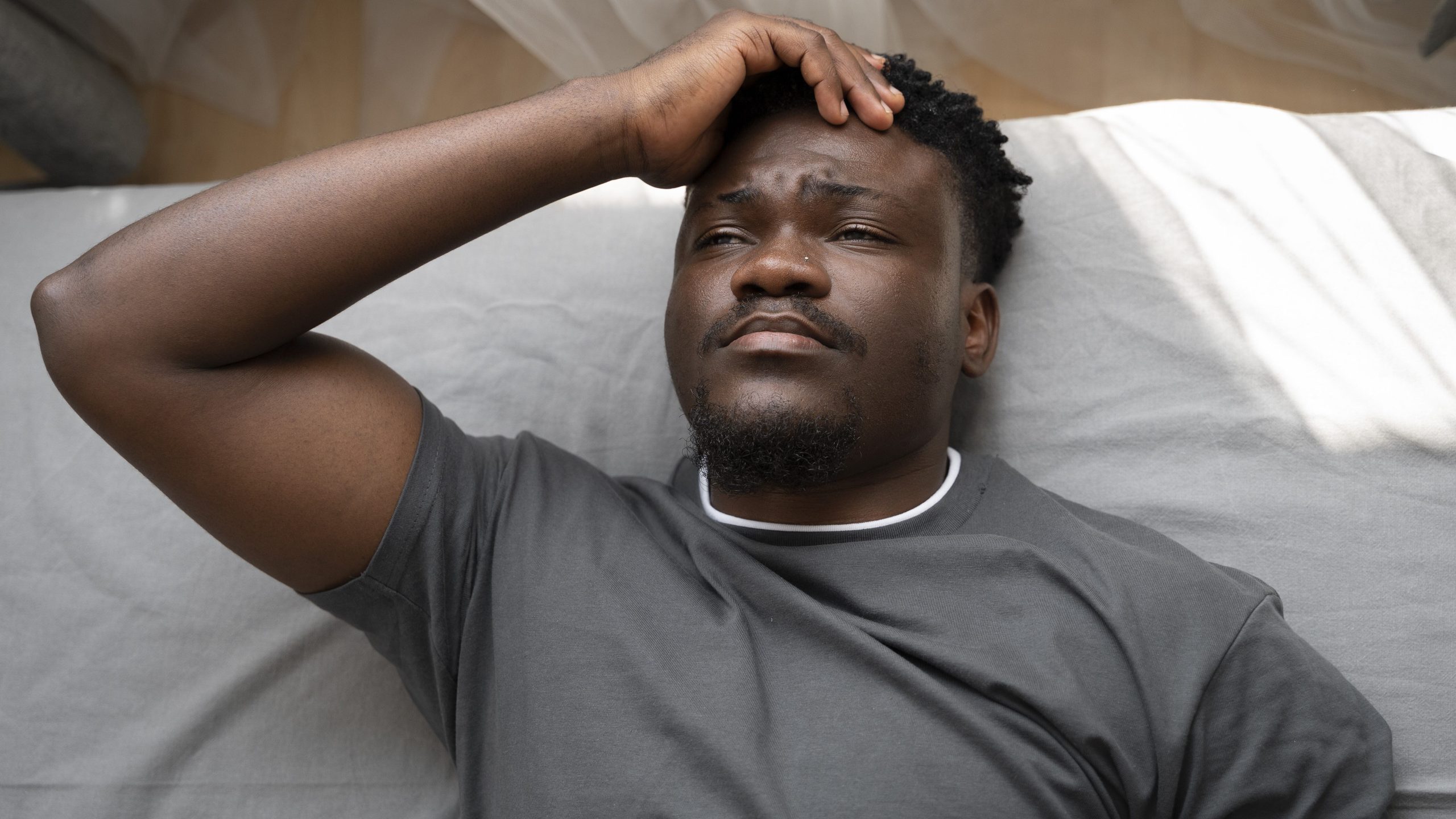
Why Alcohol Can Become Part of a Sleep Cycle
The main problem may not be alcohol itself but the idea that you need alcohol in order to sleep; this situation can develop slowly.
You have a stressful day → you drink → you feel relaxed → you fall asleep quickly → your brain learns that alcohol and sleep belong together. Eventually, the thought of going to bed without drinking may create uncertainty:
“What if I am unable to go to sleep?“
The idea can have a positive effect on alertness; it is in this area that CBT-I and ACT provide a helpful viewpoint. Instead of making yourself go to sleep or substituting one strict sleep rule for another, the aim is to modify the way you relate to sleep and the thoughts connected with it.
If you want to know how sleep problems can become self-reinforcing, you might also have a look at our guide concerning breaking the chronic insomnia cycle.
5 Ways to Protect Your Sleep Without Turning Bedtime Into a Rulebook
It isn’t necessary to achieve a perfect evening routine all at once; instead, you should think about making a number of gradual changes.
1. Experiment With Drinking Earlier
The time at which you consume alcohol is important since having a drink near bedtime causes its effects to overlap with your sleep. If you leave a longer gap between your final drink and bedtime, your body has more time to get rid of the alcohol. Instead of viewing this as a test, you should act with curiosity and look for patterns over a number of nights rather than making judgments about your sleep on the basis of a single night.
2. Notice Whether Alcohol Is Being Used To Manage Sleep Anxiety
Ask yourself what you are hoping the drink will do.
Is it:
- helping you relax after a demanding day?
- quieting racing thoughts?
- making bedtime feel easier?
- reducing anxiety about being awake?
- helping you stop thinking about tomorrow?
There’s nothing unusual about wanting relief from these feelings. If alcohol has become your main way of switching off, try other ways to transition from doing to resting, such as dimming the lights, reading, or taking a warm shower. The goal isn’t a perfect routine, but a calmer transition into sleep.
The 5-4-3-2-1 grounding technique may also be of some help in getting your attention back to the present moment if your mind is still busy.
3. Don’t Compensate For A Poor Night By Trying To Force The Next One
A single disturbed night can set off a rather lengthy sequence of reactions.
You sleep poorly → worry about tonight → go to bed earlier → spend longer in bed → try harder to sleep → become frustrated when sleep doesn’t happen.
CBT-I deals with this type of situation. Rather than spending an endless amount of time in bed, CBT-I works on establishing a stronger connection between bed and sleep while at the same time tackling the behaviors and thoughts that can cause insomnia.
Alcohol and Sleep: Myth vs. Reality
| Myth | Reality |
|---|---|
| “Alcohol helps me sleep.” | Alcohol may help you feel sleepy and fall asleep faster, but it can disrupt sleep later in the night. |
| “If I don’t remember waking up, my sleep wasn’t interrupted.” | Brief awakenings can happen without you remembering them in the morning. |
| “I need alcohol because I can’t sleep without it.” | The association between alcohol and sleep can become learned, and that association can be changed. |
| “One bad night means my sleep is getting worse.” | Sleep naturally varies. Looking at patterns over time is more useful than judging one night. |
| “I need a perfect bedtime routine.” | Sleep tends to respond better to supportive conditions than pressure and rigid rules. |
4. Let Go Of The Idea That You Have To Make Yourself Sleep
It is one of the most difficult adjustments to stop feeling pressured about going to sleep. If going to bed turns into a performance, you might begin to look at the clock, count the hours, and check if you feel drowsy enough. In this way, alertness is likely to increase rather than rest being achieved.
ACT encourages you to notice sleep-related thoughts without fighting or believing them. You can recognize, “There’s that worry again,” and return your attention to the present moment. Sleep tends to come more easily when we create welcoming conditions for it rather than trying to force it.
You can also see how CBT-I and ACT differ in their approach to sleep.
5. Look At The Bigger Picture, Not Just Bedtime
The way you spend your evenings is important, but sleep is affected by everything you do during the day; regular times for waking, exposure to daylight, physical activity, when you eat, the use of caffeine, levels of stress, napping, and your daily routine can all have an effect on sleep pressure and your circadian rhythm.
If you are changing your alcohol habits, try not to judge the result solely by whether you immediately sleep perfectly.
Look for broader signs of progress:
- fewer disrupted nights
- less anxiety about bedtime
- less reliance on alcohol as a sleep aid
- greater confidence in your ability to handle a difficult night
- more consistent sleep and wake times
- less time spent monitoring sleep
What If You Already Depend on Alcohol to Sleep?
If alcohol has taken on a permanent place in your sleeping habits, then trying to change that may seem difficult. When you drink in large amounts or on a regular basis and you’re worried about withdrawal, you should consult a healthcare professional before stopping abruptly. Psychological treatment can likewise be of help in dealing with the root causes of sleep problems. The aim is to establish a more healthy relationship with sleep, involving less pressure, less need for monitoring, and greater confidence in managing bad nights.
The Bottom Line
While alcohol may have a drowsing effect, that doesn’t mean it provides you with restful and undisturbed sleep. It can influence the different stages of sleep, lead to more awakenings, exacerbate snoring or breathing difficulties, and leave you less refreshed.
You don’t need to avoid every possible sleep disruptor. If alcohol is part of your routine, approach changes with curiosity rather than criticism. Notice how timing, amount, and your expectations around sleep affect you.
If you feel stuck in a cycle of trying to control sleep, CBT-I and ACT can help. The goal is to create supportive conditions for rest and gradually rebuild confidence in your ability to sleep.
Ready To Take The Next Step?
Ready to transform your relationship with sleep? Learn more about our “Gently to Sleep” program and take the first step toward restful nights and energized days. Contact us to schedule a consultation.