
Chronic Sleep Deprivation: Symptoms, Risks & How to Recover
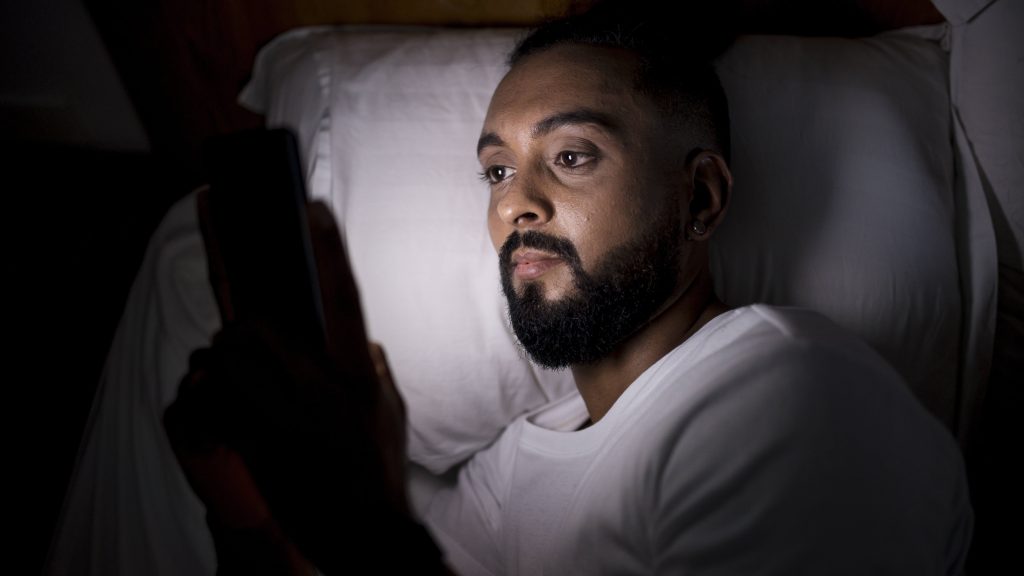
You wake up already exhausted. You drag yourself through the day fueled by caffeine and willpower, promising yourself you will get more sleep tonight. But another restless night follows, and then another, and another.
Weeks turn into months of feeling perpetually tired, foggy, and just not quite yourself. If this pattern feels familiar, you may be experiencing chronic sleep deprivation, and please know that you are not alone. Millions of people struggle with this exact cycle, and while it can feel overwhelming, there is a compassionate, evidence-based path toward recovery.
Let’s explore what chronic sleep deprivation truly means, how to recognize its signs, and how gentle, science-backed approaches can help you reclaim your rest.
What Is Chronic Sleep Deprivation?
Chronic sleep deprivation occurs when you consistently do not get enough quality sleep over an extended period, typically weeks, months, or even years. This is different from occasional bad nights, which most of us experience from time to time. When sleep loss becomes ongoing, your body and mind begin to show cumulative effects that go far beyond feeling tired.
There is an important distinction to make here: chronic sleep deprivation is not just about the number of hours you spend in bed. It is about the quality, consistency, and restorative nature of your sleep. Many people who spend eight hours in bed still wake up feeling depleted because their sleep is fragmented, shallow, or interrupted by anxiety.
The good news? Understanding what is happening in your body is the first step toward creating conditions that welcome rest rather than force it.
Learn more about how to break the chronic insomnia cycle and retrain your relationship with sleep.
Chronic Sleep Deprivation Symptoms
Recognizing the signs of sleep deprivation early can help you take gentle action before the effects worsen. Symptoms fall into three main categories:
Physical Symptoms
- Persistent fatigue that does not improve with rest
- Frequent headaches or migraines
- Increased sensitivity to pain
- Nausea or digestive issues (yes, sleep deprivation can cause nausea because it disrupts hormone regulation and vagus nerve function)
- Weakened immune system, leading to more colds and infections
- Weight fluctuations, often gaining weight due to hormonal imbalances
- Blurred vision or difficulty focusing your eyes
- Slower reaction times
Mental and Cognitive Symptoms
- Difficulty concentrating or staying focused
- Memory lapses, both short and long-term
- Brain fog or feeling “spaced out” – Impaired decision-making
- Reduced creativity and problem-solving ability
Emotional Symptoms
- Increased irritability or short temper
- Heightened anxiety, especially at night
- Mood swings
- Feeling emotionally overwhelmed by small things
- Depressive feelings or a sense of hopelessness
If several of these symptoms sound familiar, please do not panic. Awareness is the beginning of change, and your body is simply asking for care.
The Real Risks of Chronic Sleep Deprivation
Let’s talk about the concerns that may have brought you here. Yes, chronic sleep deprivation carries real health risks, but understanding them should motivate gentle action rather than fear.
Ongoing sleep loss has been linked to:
- Cardiovascular issues: Increased risk of high blood pressure, heart disease, and stroke
- Metabolic problems: Higher likelihood of developing type 2 diabetes
- Mental health challenges: Elevated risk of anxiety disorders and depression
- Weakened immunity: Greater susceptibility to infections and slower healing
- Hormonal imbalances: Disrupted appetite regulation and reproductive hormones
- Cognitive decline: Long-term memory issues and increased dementia risk
You may have wondered; can sleep deprivation kill you? While death directly from insomnia is extremely rare (occurring only in exceptionally rare genetic conditions like fatal familial insomnia), severe sleep deprivation significantly increases the risk of accidents, cardiovascular events, and other serious health complications. This is important information, but it does not mean you are in immediate danger. It means your body is signaling that it needs support, and support is absolutely available.
Why Does “Just Sleep More” Don’t Work?
If solving chronic sleep deprivation were as simple as “getting more sleep,” you would have fixed it by now. The truth is that trying harder to sleep often makes it worse. This is one of the great paradoxes of sleep: it is a passive process that cannot be forced.
When you desperately try to sleep, your prefrontal cortex, the analytical part of your brain, remains active. Your nervous system stays in a heightened state of arousal. You end up monitoring your sleep effort (“Am I asleep yet? How many hours do I have left?”), which is exactly the opposite of what sleep requires.
Additionally, spending excessive time in bed hoping for sleep can actually weaken your “sleep pressure,” the biological drive that makes you feel sleepy at bedtime. This is why many people with chronic insomnia find that even when they finally have the opportunity to sleep, their bodies have forgotten how.

CBT-I: The Evidence-Based Path to Recovery
Cognitive Behavioral Therapy for Insomnia (CBT-I) is widely considered the gold standard treatment for chronic sleep deprivation and insomnia. Unlike sleep medications, which can offer short-term relief but do not address the root causes, CBT-I helps you rebuild a healthy relationship with sleep.
CBT-I typically includes several evidence-based techniques:
1. Stimulus Control
If you cannot fall asleep after about 20 minutes, get out of bed and do something calming in low light. Return to bed only when you feel genuinely sleepy. This helps your brain reassociate the bed with rest, not frustration.
2. Sleep Restriction (Sleep Compression)
This involves temporarily limiting the time you spend in bed to match your actual sleep time. Over weeks, this rebuilds your sleep pressure and improves sleep efficiency.
Read our step-by-step breakdown on sleep efficiency and why it matters.
3. Cognitive Restructuring
This helps you identify and gently challenge thoughts that fuel your sleep anxiety, like “I will never sleep again” or “Tomorrow will be ruined if I don’t sleep tonight.”
4. Consistent Sleep Schedule
Going to bed and waking up at the same time daily (even on weekends) helps regulate your circadian rhythm, the internal clock that governs your sleep-wake cycle.
5. Wind-Down Buffer
Create a 30 to 60 minute transition period before bed that includes low-arousal activities like reading, gentle stretching, or dim lighting.
ACT: Accepting Your Current State
Acceptance and Commitment Therapy (ACT) works beautifully alongside CBT-I by teaching you to change your relationship with sleepless nights. Instead of fighting your current exhaustion or catastrophizing about it, ACT invites you to acknowledge your experience with compassion.
A simple ACT practice: when you find yourself lying awake, try saying gently, “I am having the thought that I need to sleep, and I can allow this experience to be here.” This is not resignation. It is a way of dropping the exhausting internal struggle so your nervous system can begin to regulate. You can explore more about the six core principles of ACT for better sleep to deepen this approach.
The goal is not to force sleep. It is to create welcoming conditions where rest can gradually return.
What a Realistic Recovery Timeline Looks Like?
One of the most important things to understand about recovering from chronic sleep deprivation is that it takes time. Your sleep did not become disrupted overnight, and it will not fully heal overnight either. Here is what a gentle recovery journey often looks like:
Weeks 1 to 2: You begin implementing new habits and may feel initial resistance or discomfort as your body adjusts.
Weeks 3 to 4: You start noticing small improvements, perhaps falling asleep slightly faster or waking less often.
Weeks 5 to 8: Sleep quality becomes more consistent, and daytime energy begins to return.
Beyond 8 weeks: With continued practice, sleep becomes more natural and less effortful. Progress is rarely linear. There will be setbacks, and that is completely normal. The key is patience and self-compassion, not perfection.
Chronic Sleep Deprivation Recovery Timeline
| Recovery Phase | Timeline | What to Expect? | Core Action & Strategy |
|---|---|---|---|
| Adjustment Phase | Weeks 1–2 | The body adjusts to new routines; initial resistance or discomfort is normal. | Implement a consistent wake-up time and practice stimulus control (get out of bed after 20 mins). |
| Early Progress | Weeks 3–4 | Noticeable small improvements, such as falling asleep slightly faster or reduced night wakings. | Maintain daily wind-down buffers and handle bedtime thoughts using ACT acceptance techniques. |
| Consolidation | Weeks 5–8 | Sleep quality becomes more consistent, and daytime energy and focus begin to return. | Gradually widen sleep windows if using sleep restriction, keeping sleep efficiency high. |
| Maintenance | Beyond 8 Weeks | Sleep becomes more natural, automatic, and far less effortful. | Continue prioritizing sleep hygiene without over-monitoring or forcing sleep. |
When to Seek Professional Support?
While self-guided approaches can help many people, some situations call for professional support. Please consider reaching out to a sleep therapist or healthcare provider if:
- Your sleep deprivation has lasted more than three months
- You are experiencing severe daytime impairment
- Sleep issues are affecting your mental health significantly
- You suspect an underlying sleep disorder like sleep apnea or restless leg syndrome
- You are relying on sleep medications and want to safely reduce your dependence
- You feel overwhelmed and need guidance
Working with a professional who specializes in CBT-I and ACT can help you create a personalized plan that respects your unique needs and circumstances.
Gradual Improvement Is Possible
If you have been struggling with chronic sleep deprivation, please hold onto this: recovery is possible, and it does not require perfection. Your body has the wisdom to rest, and your role is to create the conditions that invite it back. This means letting go of the fight, embracing acceptance, and using evidence-based tools like CBT-I and ACT to support your journey. Every small step matters. Every night you choose rest over struggle is a victory. And you do not have to walk this path alone.
Ready to transform your relationship with sleep? Learn more about our “Gently to Sleep” program and take the first step toward restful nights and energized days. Contact us to schedule a free sleep consultation.