
Wellness Gadgets vs. CBT-I: Where To Actually Invest Your Money?
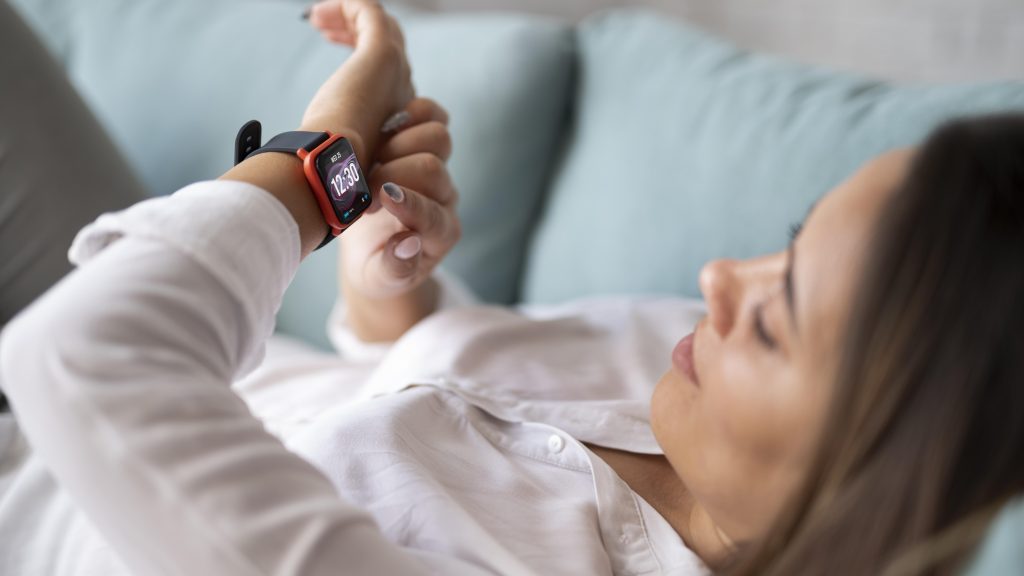
Sleep trackers, sunrise lamps, weighted blankets, sound machines, and relaxation apps can seem appealing when sleep becomes frustrating. After trying several approaches, it is understandable to wonder if one more purchase might finally help.
Technology is not automatically a waste of money. Some tools improve comfort or support routines. But gadgets and treatment serve different purposes. If ongoing insomnia affects your days, consider an approach that addresses the behaviours and thoughts maintaining it: Cognitive behavioural therapy for insomnia (CBT-I).
What Sleep Gadgets Can and Cannot Do
Wellness gadgets include trackers, smart rings, sunrise alarms, sound machines, temperature-control products, and relaxation apps. They may measure sleep, improve the bedroom environment, or encourage routines.
Wearables estimate sleep using movement, heart rate, and other signals; they do not measure brain activity like a clinical sleep study. Sleep-stage and awakening estimates can be imperfect. A score may show a broad trend but is not a diagnosis or precise account of the night.
Sleep is regulated by interacting systems. Sleep pressure builds the longer you are awake, while your circadian rhythm coordinates sleep and wakefulness with the time of day. Stress, light, routines, health conditions, and learned bedroom associations also matter. A gadget may support one part of this but cannot address worry, checking, irregular schedules, or conditioned alertness.
Why CBT-I Addresses the Bigger Picture
CBT-I is a structured treatment for persistent insomnia. Rather than relying on a device to produce sleep, it addresses behaviors and thoughts that can maintain difficulties. Clinical guidelines recommend multicomponent CBT-I for adults with chronic insomnia.
Treatment may include stimulus control, sleep scheduling, cognitive strategies, and relaxation. Stimulus control rebuilds the association between bed and sleepiness. A tailored sleep schedule strengthens sleep drive, while cognitive-based work examines beliefs like, “If I do not sleep eight hours, tomorrow will be impossible.”
Acceptance and Commitment Therapy (ACT) can complement this work. Rather than arguing with thoughts or forcing them away, you practice noticing them, making room for discomfort, and choosing actions guided by what matters. The aim is to reduce the struggle around sleep, not make every night perfect.
For a helpful comparison of these approaches, read CBT vs. ACT for Insomnia.
Wellness Gadgets vs. CBT-I
| Approach | What it offers | Main limitation | Best use |
|---|---|---|---|
| Sleep trackers and smart rings | Estimates sleep duration, patterns and activity | Sleep stages and scores may be inaccurate | Observing broad trends |
| Sunrise alarm clocks | Supports a consistent morning wake-up routine | Does not directly treat insomnia | Morning routine support |
| White noise machines | Masks disruptive environmental sounds | Does not address underlying insomnia patterns | Managing noise disturbances |
| Weighted blankets | May improve comfort and relaxation | Evidence for treating chronic insomnia is limited | Personal comfort |
| Relaxation apps | Guided breathing, meditation and relaxation | May not address behaviours maintaining insomnia | Stress management |
| CBT-I | Addresses sleep-related behaviours, thoughts and routines | Requires consistent practice and guidance | Persistent insomnia |
| ACT-based strategies | Helps change responses to sleep-related worry | Does not promise immediate symptom relief | Reducing the struggle around sleep |
Why More Tracking Can Sometimes Mean More Pressure
Gadgets can turn rest into a performance target. You may wake feeling refreshed, check your app, and see a disappointing score that colors your expectations for the day.
Other patterns include buying products without a clear plan, changing routines every few nights, repeatedly checking the time, or feeling pressure to sleep because you invested money. Focusing on a target for deep sleep can be misleading when consumer devices do not reliably measure every sleep stage.
These responses are understandable: information can feel reassuring when sleep is uncertain. Yet constant monitoring may increase attention to sleep and amplify worry. Ask if a gadget makes life easier or turns bedtime into another test. Constantly monitoring sleep scores can sometimes increase pressure around bedtime rather than give reassurance.
Learn more about how sleep trackers can increase sleep anxiety and when it may be helpful to step away from tracking.
How to Judge a Gadget Before You Buy?
Pause before paying for a device and ask three questions. What difficulty is it meant to address: noise, an uncomfortable room, an inconsistent wake time, or uncertainty about sleep? What evidence supports its claims? Be cautious of promises to detect a disorder or guarantee a sleep stage. How will you know it is helping? Choose a simple measure, such as feeling more comfortable at bedtime.
Consider costs. Some products require subscriptions, replacement parts, or upgrades. A lower-cost option may offer the same benefit. If you consider a device because you feel desperate for sleep, take time to compare options. A purchase made under pressure can create another expectation to manage. You deserve support that does not depend on buying your way to a perfect night.
Five Ways to Invest More Wisely
1. Start With the Pattern, Not the Product
Before purchasing anything, spend two weeks noting sleep and wake times, daytime energy, caffeine, naps, and possible influences. A simple paper diary is enough; avoid clock-checking or recording every detail. Look for broad patterns over several nights, not judgments about individual nights. This helps clarify whether an environmental change or fuller assessment would be more useful.
2. Choose One Environmental Tool for a Clear Reason
A fan may mask disruptive sounds; blackout curtains can reduce outside light; comfortable bedding may ease specific discomfort. A sunrise alarm may support a stable morning routine. Choose a product to solve an identifiable problem, not because marketing promises perfect sleep. Try one change at a time. An expensive mattress or complete bedroom makeover is not essential.
3. Use Wearable Data Lightly, or Take a Break
If a tracker supports activity or helps you notice schedule changes, consider keeping it. Hide nightly scores, disable notifications, or review trends occasionally. If numbers create worry or guilt, pause tracking. Your experience, daytime functioning, and clinician’s assessment matter more than one algorithm-generated score.

4. Practice Consistent, Flexible Sleep Behaviors
Keep a consistent wake-up time and seek morning daylight when possible. Build a manageable wind-down period, not a strict checklist. If you become frustrated awake in bed, stimulus control may involve getting up for a quiet activity and returning when sleepy.
A trained professional should tailor formal sleep scheduling or restriction, particularly when health concerns or safety-sensitive responsibilities are involved. The goal is steadier sleep, not exhaustion.
5. Invest in Skills That Travel With You
CBT-I teaches skills that do not require another purchase: responding differently to difficult nights, adjusting behaviors that reinforce wakefulness, and questioning catastrophic predictions. ACT skills help you notice anxious thoughts without treating them as instructions.
When “I must fall asleep now” appears, label it as a thought, take a comfortable breath, and return to a quiet activity. You are not forcing calm or guaranteeing sleep. You are practising a less demanding response.
So, Where Should Your Money Go?
The best choice depends on the problem. If noise, light, or discomfort disrupts your room, a modest product may help. If tracking reveals patterns without increasing worry, keep it simple. But if you regularly struggle to fall asleep, stay asleep, or feel rested, seek professional guidance.
CBT-I does not mean every product is useless. It prioritizes treatment that addresses the processes that maintain insomnia. A clinician can also assess symptoms such as loud snoring, breathing pauses, unusual movements, or significant daytime sleepiness.
Wellness products can support sleep routines and improve bedroom comfort. However, when sleep difficulties persist, it can help to understand treatment approaches supported by clinical research. The American Academy of Sleep Medicine’s clinical recommendations for insomnia treatment grant further insight into evidence-based options.
A More Supportive Relationship With Sleep
You do not need to monitor every minute, buy every trending product, or create a flawless routine. Sleep cannot be commanded. Build supportive conditions, respond gently to difficult nights, and make gradual changes that suit your life.
Progress may mean less clock-checking, less fear about a poor night, or more confidence when sleep takes longer than expected. With support and practice, your relationship with sleep can become less pressured.
Ready to transform your relationship with sleep? Learn more about our “Gently to Sleep” program and take the first step toward restful nights and energized days. Contact us to schedule a consultation.