
Sleep Paralysis and Anxiety, Understanding the Connection

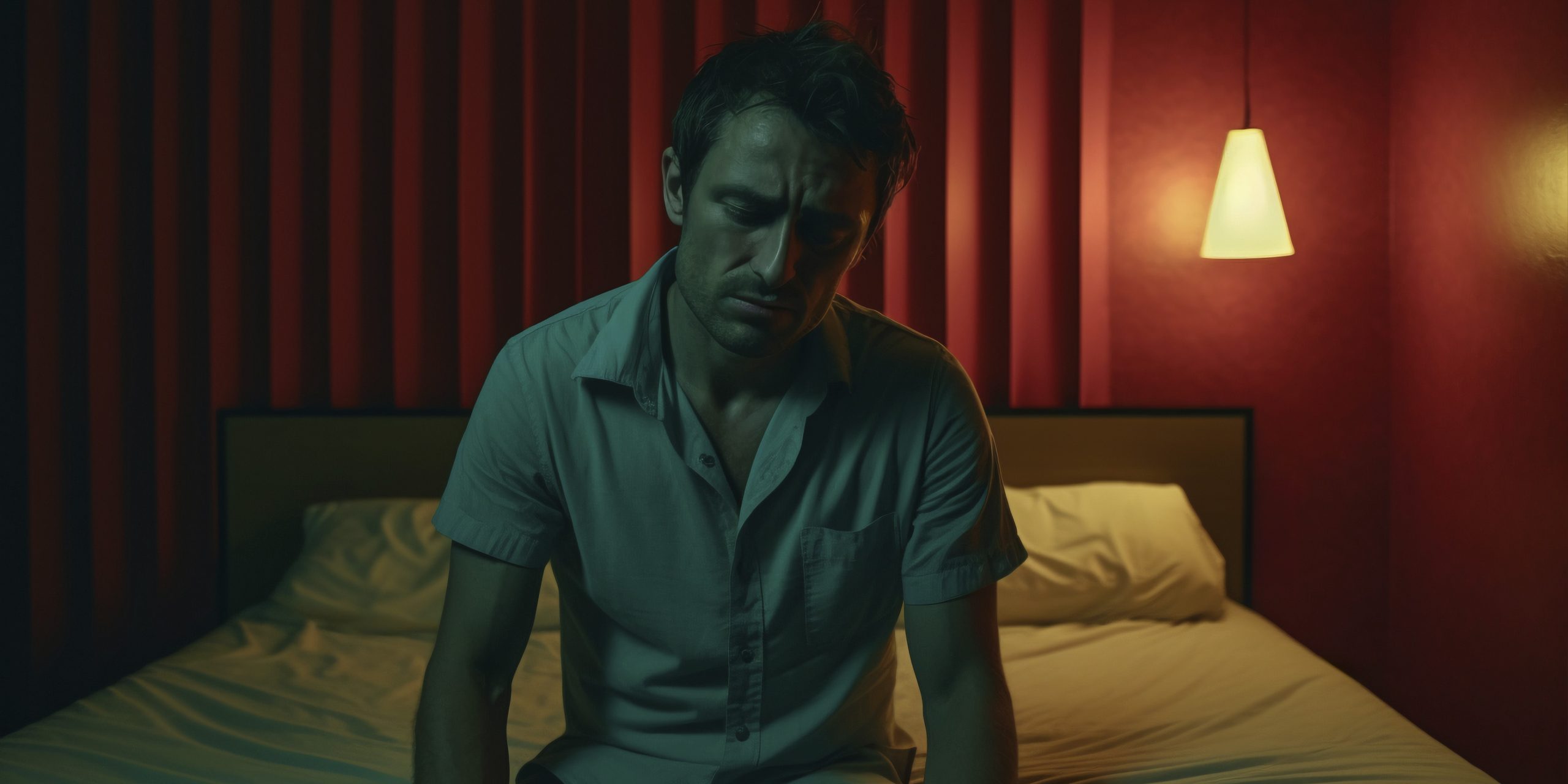
Sleep paralysis and anxiety are interrelated! You wake up and immediately know something is wrong. You can’t move. You can’t speak. Your chest feels heavy, like someone is pressing down on it. You try to call out but nothing comes. Panic floods through you as you lie there, trapped in your own body, desperately willing yourself to move even just a finger.
If you’ve experienced sleep paralysis, you know how terrifying it can be especially when it happens repeatedly. And if you live with anxiety, you’ve probably noticed that sleep paralysis episodes seem to happen more often when you’re stressed, worried, or going through a particularly difficult time.
So can anxiety cause sleep paralysis? The answer is more nuanced than yes or no, but understanding the sleep paralysis anxiety connection can help you feel less frightened when it happens and give you practical tools to reduce both the frequency and the fear.
Let me explain what’s actually happening and, more importantly, what you can do about it.
What is Sleep Paralysis? The Science Behind the Experience
Sleep paralysis is a temporary inability to move or speak that occurs when you’re falling asleep or waking up. It typically lasts from a few seconds to a couple of minutes, though it can feel much longer when you’re experiencing it.
Here’s what’s happening in your brain: During REM (rapid eye movement) sleep, your brain essentially paralyzes your voluntary muscles. This is a protective mechanism, it keeps you from physically acting out your dreams. Normally, this paralysis turns off before you wake up. But sometimes, your consciousness wakes up while your body is still in that paralyzed state.
The result? You’re awake and aware, but you can’t move. Your breathing might feel restricted (because the muscles that control voluntary breathing are affected, though your automatic breathing continues just fine). And because your brain is in a semi-dreaming state, you might experience vivid hallucinations, seeing shadows, sensing a presence in the room, or feeling pressure on your chest.
While sleep paralysis can happen to anyone occasionally, certain factors make it more likely to occur. Anxiety is one of the strongest predictors.
The Sleep Paralysis and Anxiety Connection
Research consistently shows a significant relationship between anxiety and sleep paralysis. Here’s how they’re connected:
1. Anxiety Disrupts Your Sleep Cycles
When you’re anxious, your sleep is often fragmented; you might have trouble falling asleep, wake up during the night, or experience lighter, less restorative sleep. This fragmentation increases the likelihood of your consciousness “catching” your body during the transition into or out of REM sleep, which is when sleep paralysis happens.
2. Hyperarousal Makes You More Aware
Anxiety keeps your nervous system in a state of heightened alert. This hyperarousal means you’re more likely to wake up partially during sleep transitions, increasing the chance of experiencing sleep paralysis.
3. Sleep Deprivation From Anxiety Creates A Rebound Effect
When anxiety prevents you from sleeping well, your body builds up REM debt. When you finally do sleep more deeply, you often experience REM rebound, your brain tries to make up for lost REM sleep by spending more time in that stage. More time in REM means more opportunities for sleep paralysis to occur.
4. The Fear Creates A Self-Perpetuating Cycle
Perhaps most significantly, once you’ve experienced sleep paralysis, anxiety about it happening again can actually make it more likely to occur. You might develop sleep anxiety, lie awake worrying about sleep paralysis, disrupt your sleep patterns, and inadvertently create the conditions that trigger it.
I worked with David, who started having sleep paralysis episodes during a particularly stressful period at work. “The first time was terrifying,” he told me. “But then I started dreading going to bed, worried it would happen again. Some nights I’d stay up late just to avoid it. Of course, being exhausted made it happen more often.
This is the cruel irony of the sleep paralysis anxiety connection, the fear of it can become the very thing that maintains it.
Is Sleep Paralysis Dangerous?
Let me address this directly because it’s one of the most common questions I hear: Sleep paralysis is not dangerous. It feels frightening, but it poses no physical threat. Your breathing continues normally even though it might feel restricted. The experience always ends on its own, typically within minutes.
However, the psychological impact can be significant. If sleep paralysis is happening frequently and creating severe anxiety or sleep avoidance, it’s worth seeking help not because sleep paralysis itself is dangerous, but because the fear and sleep disruption it causes can significantly affect your quality of life.
ACT-Based Strategies for Sleep Paralysis Anxiety
The Acceptance and Commitment Therapy (ACT) approach to sleep paralysis offers a different path than traditional anxiety management. Instead of trying to prevent sleep paralysis at all costs or eliminate your fear of it, ACT teaches you to change your relationship with the experience itself.
1. Educate Yourself (Defuse the Fear Story)
One of the most powerful interventions for sleep paralysis anxiety is understanding what’s actually happening. Your mind might be telling you: “This is dangerous,” “Something is wrong with me,” “I can’t breathe,” or “I’m going to die.”
These thoughts are understandable, sleep paralysis is genuinely frightening. But these thoughts are your mind’s interpretation of a benign (though uncomfortable) experience, not facts about reality.
Practice this: Before bed, remind yourself of the facts: “If I experience sleep paralysis tonight, it means my consciousness woke up while my body was still in REM paralysis. It’s temporary. It’s not dangerous. It will end on its own.”
2. Make Room for the Experience (Acceptance)
When sleep paralysis happens, your instinct is to fight it; struggling to move, trying to scream, panicking. This struggle is exhausting and actually prolongs the experience because panic keeps your nervous system activated.
Try this instead: If you find yourself in sleep paralysis, practice making room for the sensations rather than fighting them.
Think: “This is sleep paralysis. It’s uncomfortable. I can make room for this discomfort without needing to fight it.”
Focus on your breath, even though it might feel restricted, notice that you are breathing. Some people find it helpful to focus on moving just one small thing (wiggling a toe or finger), while others find it more helpful to simply wait it out without struggle.
The acceptance approach doesn’t mean you like sleep paralysis or want it to happen. It means you’re not adding a layer of struggle on top of an already uncomfortable experience.
3. Address Your Sleep Patterns (Behavioral Change)
Since sleep paralysis is more likely when your sleep is disrupted, improving your overall sleep quality can reduce episodes. The good news is that the same strategies that help with insomnia also help with sleep paralysis:
Consistent sleep schedule: Going to bed and waking up at roughly the same time every day helps regulate your REM cycles and reduces fragmentation.
Address sleep deprivation: Chronic sleep deprivation increases REM rebound and sleep paralysis risk. If anxiety is keeping you awake, addressing the insomnia itself will likely reduce sleep paralysis.
Sleep position: Some research suggests sleep paralysis may be more common when sleeping on your back. If this is true for you, try sleeping on your side.
Reduce substances that affect sleep: Alcohol, caffeine late in the day, and certain medications can all affect sleep architecture and potentially increase sleep paralysis frequency.
4. Challenge Safety Behaviors That Make It Worse
People who experience sleep paralysis often develop “safety behaviors”; things they do to try to prevent it that actually maintain the problem:
- Avoiding going to bed until extremely exhausted
- Staying up late to reduce total sleep time
- Sleeping with lights on or TV on to “stay alert”
- Avoiding certain sleep positions to the point of losing sleep
- Constantly checking for symptoms before falling asleep
While these behaviors make sense as attempts to protect yourself, they often backfire by disrupting your sleep and increasing anxiety.
Gentle challenge: With support, gradually reduce these safety behaviors while using the acceptance strategies above. You’re teaching your nervous system that sleep, even with the possibility of sleep paralysis; is safe.
5. Practice Self-Compassion
Sleep paralysis is genuinely distressing. If you’re experiencing it regularly, you deserve compassion, not criticism for “not handling it better.”
After an episode, speak to yourself with kindness: “That was really scary. Sleep paralysis is hard. I’m doing my best with this.”
This self-compassion doesn’t make sleep paralysis less likely to happen, but it does reduce the secondary suffering, the shame, frustration, or self-criticism that often follows an episode.
You Can Change Your Relationship with Sleep Paralysis
David’s story had a hopeful ending. After several weeks of working together, he reported: “I had sleep paralysis twice last month, and while it wasn’t pleasant, I didn’t panic. I just reminded myself what it was, focused on my breathing, and waited for it to pass. And because I’m not terrified of it anymore, I’m sleeping better, which means it’s happening less often.”
This is what changing your relationship with sleep paralysis looks like. You’re not pretending it’s not uncomfortable. You’re not forcing yourself to enjoy it. You’re simply learning to respond differently, with understanding instead of panic, with acceptance instead of struggle.
You don’t have to figure this out alone. Support is available, and change is possible.Ready to transform your relationship with sleep? Learn more about our Gently to Sleep program and take the first step toward restful nights and energized days. Contact us to schedule a consultation.